


Blog
Social Support

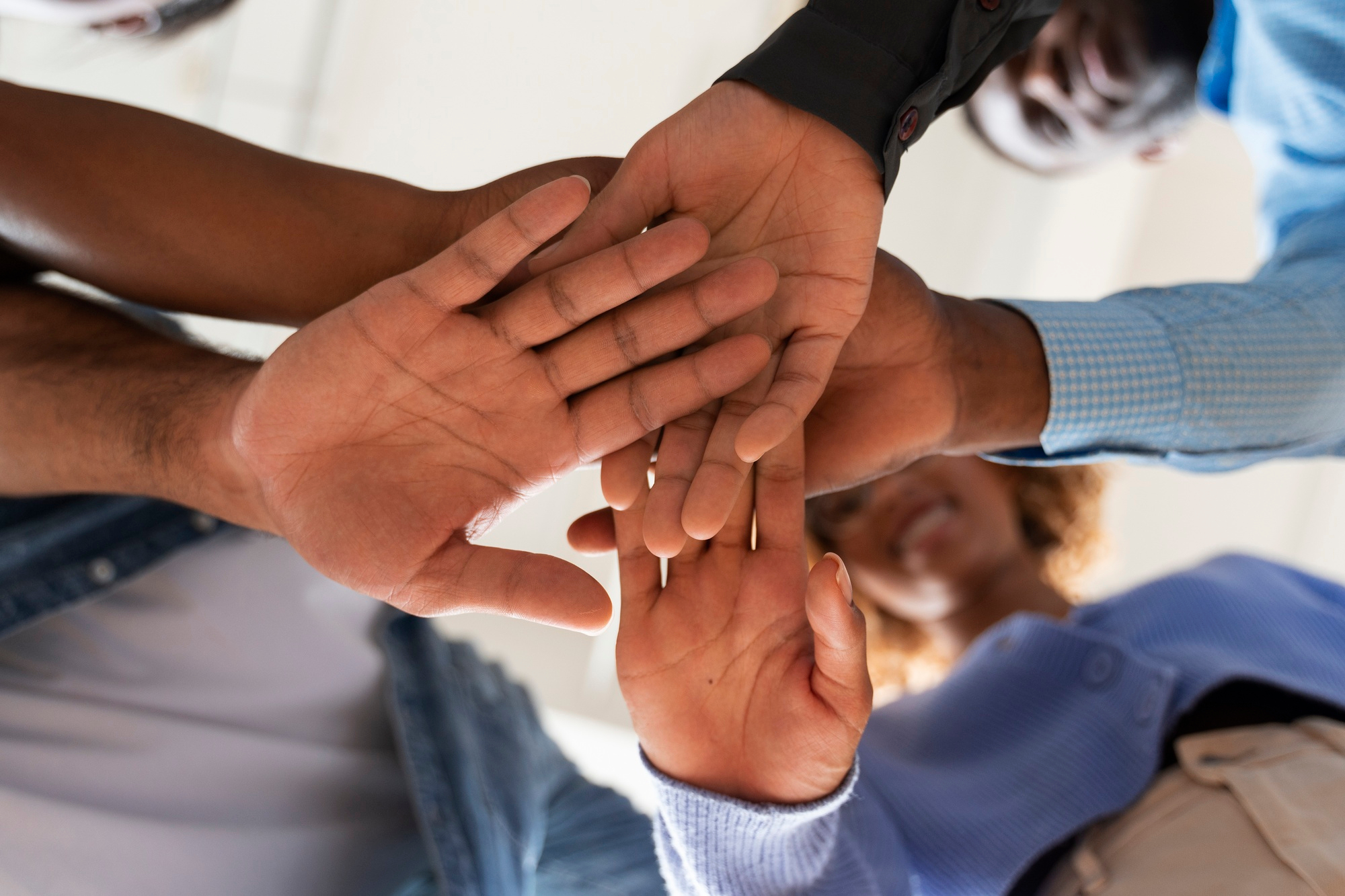
Social fabric of the archipelago
Lamu’s rapid economic transformation demands a community foundation that is resilient, supported and fully included in the region’s new industrial future
LAMU
The Lamu Oil Hub’s social support networks are designed to ensure that economic gains translate into real improvements in daily life.
These frameworks protect vulnerable groups, empower emerging leaders and create localised safety nets for families navigating the shift into a modern industrial economy.
Industrial growth creates wealth, but it does not distribute it evenly or immediately. The jobs that arrive first are rarely the jobs held by the people whose livelihoods the project displaced, and the gap between those two facts is where communities either adapt or fracture.
That gap is what a social support framework exists to close. It is not charity attached to an investment. It is the mechanism that decides whether a region changes shape with its people inside it or around them. Three pillars do that work here.
Pillar one: economic assistance
Economic transition assistance forms the first pillar of this support system. Dedicated grants, technical tools and financial literacy training help local fishermen, smallholder farmers and traders adapt to changing market conditions.
These programmes ensure that traditional livelihoods evolve alongside new industrial opportunities rather than being displaced by them.
The choice of trades here is deliberate. Fishing, farming and trading are not marginal activities in this economy. They are the base of it, and they are exactly the livelihoods most exposed when a coastline industrialises: landing sites get rezoned, fishing grounds face new traffic, and markets that once set their own prices start competing with a large new buyer.
Adapting is not a matter of effort. A fisherman who has worked the same water for twenty years may simply lack the capital to buy into a cold chain, or the paperwork to register a supply contract with an industrial caterer.
Grants and technical tools close that gap. Financial literacy training closes a different one, which is the gap between earning money and being able to hold, save and reinvest it.
Pillar two: youth and women
Youth and women empowerment initiatives add a second layer of strength.
Corporate social responsibility capital is directed toward self-help groups, providing seed funding for micro enterprises and mentorship pathways for young leaders. These investments build long term economic independence and expand the region’s entrepreneurial base.
The self-help group model is worth noting because it does something a direct grant cannot. A group pools risk. Members vet each other, hold each other to repayment and share the cost of tools that none could justify alone.
Capital routed through that structure tends to reach further and last longer than the same sum handed out individually. Mentorship does a different job.
Seed funding answers the question of whether someone can start. Mentorship answers the harder question of whether they can keep going once the first set of problems arrives, which is the point where most small ventures fail.
Directing this at women in particular is not a gesture.
In coastal economies women already run a substantial share of the trading, processing and food businesses that a working population depends on. Capital aimed at them lands on businesses that already exist and already have customers, which is a faster route to impact than starting from nothing.
Pillar three: resilience and welfare
Resilience and welfare programmes complete the social landscape. Family support centres and social welfare initiatives are being established across the mainland and islands to ensure that no community member is left behind.
These centres provide guidance, emergency assistance and structured support for families adjusting to new economic realities.
The phrase across the mainland and islands matters. The archipelago is dispersed, and a mainland only approach would leave island communities outside the reach of services that the industrial corridor brings closer to Mokowe. Placing centres on both sides is what makes the framework genuinely county wide.
Emergency assistance is the part that stabilises everything else. A family in crisis does not benefit from a training programme it cannot attend.
Short term support is what keeps people in a position to take up longer term opportunity, which is why welfare and economic development are usually more connected than they look.
Why it holds together
The Lamu Oil Hub’s social support framework is not an accessory. It is a core pillar of the region’s development model, ensuring that industrial growth is matched by community strength, dignity and shared prosperity. The three pillars address three different stages of the same problem.
Transition assistance helps people adapt before they are displaced. Empowerment capital helps them build something new once they have adapted. Welfare support catches the households that would otherwise fall through during the process.
Remove the first and displacement happens unmanaged. Remove the second and adaptation produces no new businesses. Remove the third and the most vulnerable absorb the cost of a change they did not choose.
For an investor or operator, this has a practical dimension. Projects that lose community consent rarely stop outright. They slow, through disputes, delays and local opposition that each cost money and none of which appears in a feasibility study. A functioning social framework is part of what makes a long industrial build possible.
At a glance
The premise: Lamu’s economic transformation requires a community foundation that is resilient, supported and fully included in the region’s industrial future
What the framework does: protects vulnerable groups, empowers emerging leaders and creates localised safety nets for families navigating the shift to a modern industrial economy
Pillar one, economic transition assistance: dedicated grants, technical tools and financial literacy training for local fishermen, smallholder farmers and traders
Why those trades: fishing, farming and trading are the base of the coastal economy and the livelihoods most exposed to industrialisation, through rezoning, new water traffic and competition from large buyers
What the training closes: the capital gap that prevents a worker buying into a cold chain, and the gap between earning money and being able to hold and reinvest it
Pillar two, youth and women empowerment: corporate social responsibility capital directed to self-help groups, with seed funding for micro enterprises and mentorship pathways for young leaders
Why self-help groups: a group pools risk, vets its own members and shares the cost of tools, so capital routed through it tends to reach further than individual grants
Why women in particular: women already run much of the trading, processing and food business a working population depends on, so capital lands on businesses that already have customers
Pillar three, resilience and welfare: family support centres and social welfare initiatives across both mainland and islands, providing guidance, emergency assistance and structured support
Why both sides of the channel: the archipelago is dispersed, so a mainland only approach would leave island communities outside reach of services
How the three relate: transition assistance helps people adapt before displacement, empowerment capital helps them build once adapted, and welfare support catches households that would otherwise fall through
The practical dimension: projects that lose community consent slow down through disputes and delays, so a functioning social framework is part of what makes a long industrial build possible
Social support, grant and welfare programme details should always be confirmed through official Lamu Oil Hub, County Government of Lamu and national channels before any application or commitment is made.